When was the last time you tried to unsubscribe from a service, only to find yourself trapped in an endless loop of misleading buttons and guilt-inducing messages? Or maybe you added an item to your cart, and suddenly, hidden fees appeared just before checkout. If any of these scenarios sound familiar, you’ve encountered dark patterns—deceptive UX design techniques that manipulate users into taking actions they didn’t intend to.
Dark patterns exploit cognitive biases, tricking users into decisions that benefit businesses at the expense of customer trust. While these tactics may boost short-term conversions, they often backfire, leading to frustration, negative brand perception, and even legal repercussions.
In this article, we’ll break down what dark patterns are, how they impact users and businesses, and why ethical UX design is the only sustainable path forward.
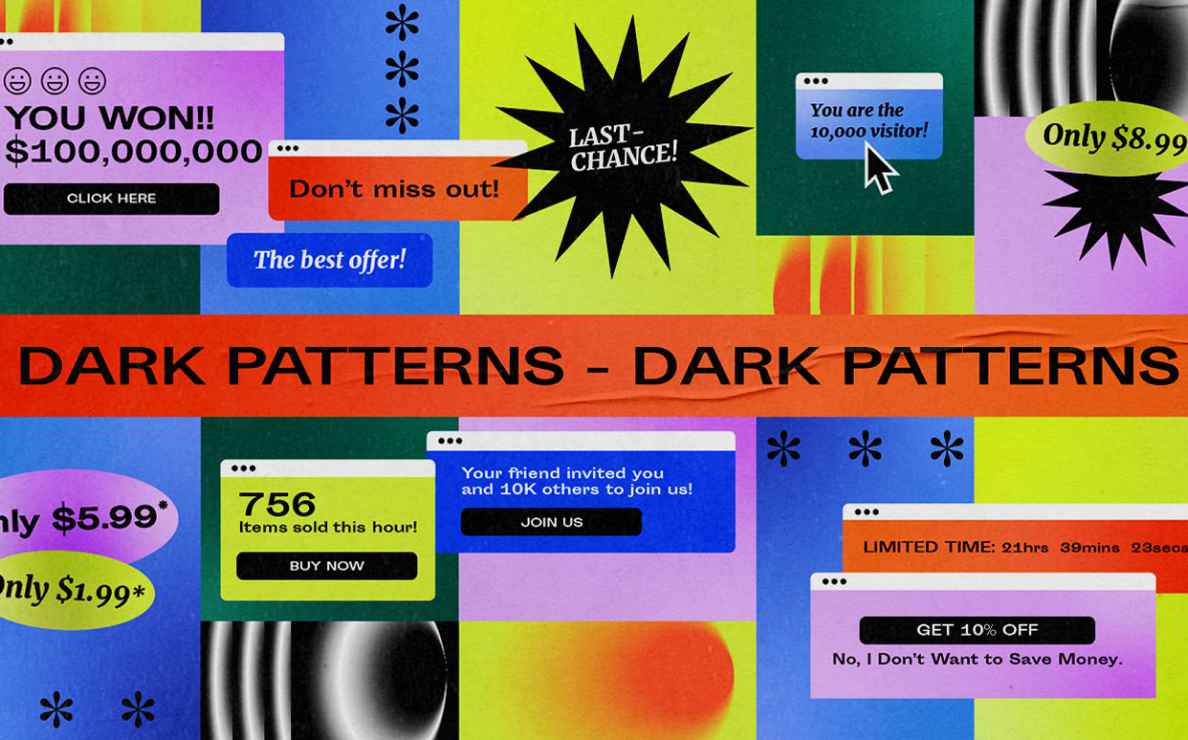
Image Credits - Wix.com
What Are Dark Patterns in UX?
Dark patterns are intentionally deceptive UI/UX design practices that mislead users into taking actions they may not have chosen freely. The term was coined by UX designer Harry Brignull in 2010, and since then, these manipulative tactics have been widely criticized for their unethical nature.
Unlike poor design, which results from inexperience or oversight, dark patterns are deliberate. They are crafted with the sole purpose of exploiting user psychology to increase engagement, sales, or data collection—often without the user’s best interest in mind.
Some companies justify dark patterns as a way to drive business growth, but in reality, they create distrust and resentment, pushing users to abandon brands that employ these shady tactics.
Common Types of Dark Patterns
Dark patterns come in various forms, each serving a different deceptive purpose. Here are some of the most common ones:
1. Roach Motel (Difficult Unsubscribing or Cancelling)
Ever tried unsubscribing from a service and ended up in a maze of “Are you sure?” messages, misleading buttons, or forced phone calls? That’s a Roach Motel—easy to get into but painfully difficult to exit.
Example:
- Some subscription services make signing up effortless but require multiple steps or even customer support calls to cancel.
2. Sneak Into Basket (Hidden Additions to Orders)
This tactic involves adding extra items or services to a user’s cart without their explicit consent.
Example:
- A website pre-checking boxes for additional products, warranties, or donations at checkout, making users remove them manually.
3. Forced Continuity (Hidden Auto-Renewals)
Users sign up for a free trial, only to be charged automatically once it ends—without clear warning or easy cancellation options.
Example:
- Streaming services that require entering payment details for a free trial and auto-renew without an obvious reminder.
4. Confirmshaming (Guilt-Inducing Messaging)
This manipulative tactic uses guilt to pressure users into making a certain choice.
Example:
- A newsletter opt-out button saying, “No thanks, I hate saving money.”
5. Privacy Zuckering (Tricking Users into Sharing More Data)
Named after Facebook’s Mark Zuckerberg, this dark pattern misleads users into oversharing personal data.
Example:
- Complicated privacy settings that default to maximum data sharing or make it nearly impossible to opt out.
6. Misdirection (Confusing Layouts and Buttons)
Misdirection tricks users by making the intended action (such as purchasing a premium plan) more visually prominent than the alternative (such as skipping or choosing a free version).
Example:
- Large, bold “Try Premium” buttons, while the “Continue with Free Plan” option is tiny or hidden in plain text.
7. Bait and Switch (Unexpected Changes in Functionality)
A user clicks on a button expecting one outcome but gets something entirely different.
Example:
- A mobile app prompting users to enable permissions for “security” but actually using them for targeted advertising.
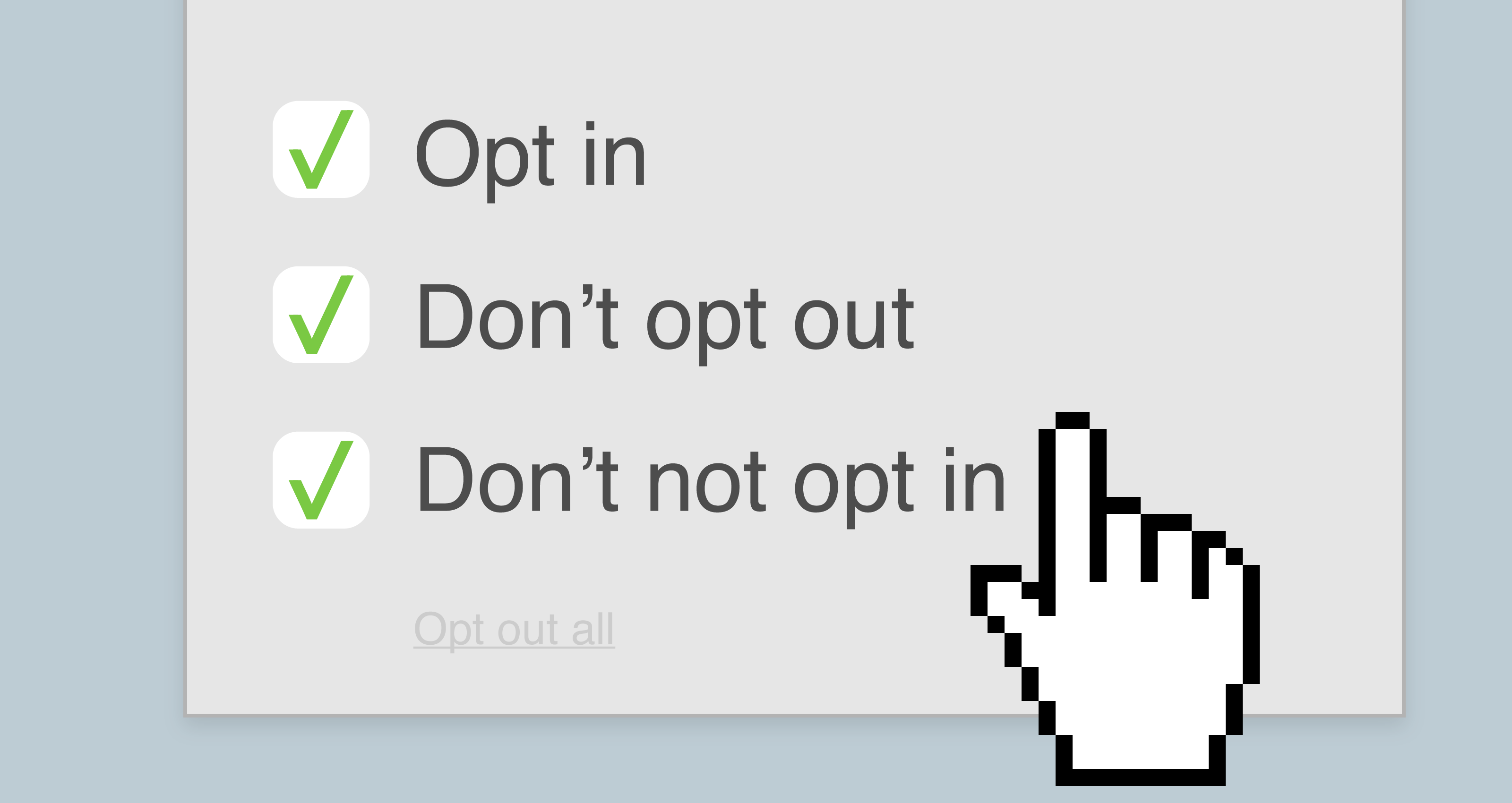
Image Credits - TechCrunch
The Ethical and Business Impact of Dark Patterns
1. Eroding User Trust
When users realize they’ve been manipulated, trust is shattered. Brands that rely on dark patterns may see short-term gains, but in the long run, they lose credibility.
2. Increased User Frustration
No one likes being tricked. Dark patterns lead to negative user experiences, causing frustration, high bounce rates, and abandoned shopping carts.
3. Regulatory and Legal Consequences
Governments are cracking down on deceptive UX practices. Laws like GDPR (General Data Protection Regulation) and CCPA (California Consumer Privacy Act) protect users from manipulative designs. Companies found guilty of violating these laws face hefty fines.
Example:
- In 2022, Amazon was accused of making it deliberately difficult for users to cancel their Prime memberships, leading to regulatory scrutiny.
4. Higher Customer Churn
Users who feel deceived are unlikely to remain loyal. They will switch to competitors that respect their autonomy and provide transparent experiences.
5. Ethical Responsibility in Design
Good UX design should empower users, not manipulate them. Ethical design prioritizes user needs, creating positive engagement instead of forced interactions.
What you'll learn:
- Learn from industry experts and master practitioners.
- Engage in hands-on, project-based learning experiences.
- Connect with a vibrant community of creatives and professionals.
- Receive a certificate to boost your portfolio and credentials.
How to Avoid Dark Patterns and Design Ethically
1. Transparency is Key
Ensure that users have full clarity on pricing, terms, and actions they are taking. Use plain language instead of deceptive or misleading copy.
2. Make Opt-Out Processes Simple
Users should be able to unsubscribe or cancel services without unnecessary roadblocks. Clear “Cancel Subscription” buttons should be easy to find.
3. Provide Honest Choices
Don’t pressure users with confirmshaming. Give them the freedom to make choices without guilt-tripping or manipulation.
4. Respect User Privacy
Make privacy settings straightforward and easy to control. Avoid pre-selecting options that benefit the business at the user’s expense.
5. Conduct Ethical UX Audits
Regularly evaluate your product for any potential dark patterns. Ensure your design aligns with ethical UX principles and user expectations.
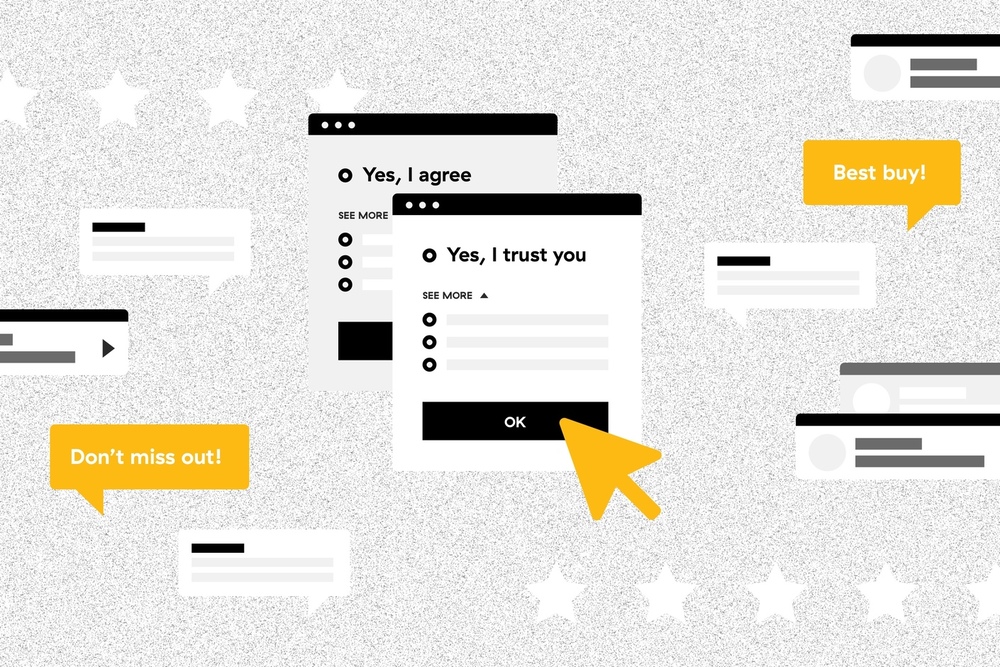
Image Credits - Infinum
Conclusion
Dark patterns in UX may seem like a shortcut to increased engagement, but they ultimately damage user trust and brand reputation. Ethical design is not just about compliance—it’s about respecting users, enhancing their experience, and building long-term loyalty.
By prioritizing transparency, honesty, and user empowerment, businesses can create digital experiences that foster trust rather than deception. The best user experiences are those that put people first—not profits.
Level up your UI/UX skills! Learn to create stunning interfaces and seamless user experiences with our Advanced UI/UX Design Course. Boost your career and design products that stand out.
Enroll today at Kaarwan for more insights!
FAQs
1. What are dark patterns in UX?
Dark patterns are deceptive UX design techniques that manipulate users into unintended actions, such as hidden charges, forced subscriptions, or difficult cancellations.
2. Why do companies use dark patterns?
Businesses use dark patterns to increase conversions, retain users, or collect more data—often at the expense of user experience and trust.
3. How can users recognize dark patterns?
Users can spot dark patterns by being cautious of pre-checked boxes, misleading buttons, and guilt-inducing messages that pressure them into certain actions.
4. Are dark patterns illegal?
In many regions, dark patterns violate consumer protection laws, such as GDPR and CCPA, leading to regulatory penalties and fines.
5. How can UX designers avoid using dark patterns?
Designers should prioritize ethical UX by ensuring transparency, respecting user choices, simplifying opt-outs, and conducting regular UX audits.